No products in the cart.
 Snackin' & Yakkin'

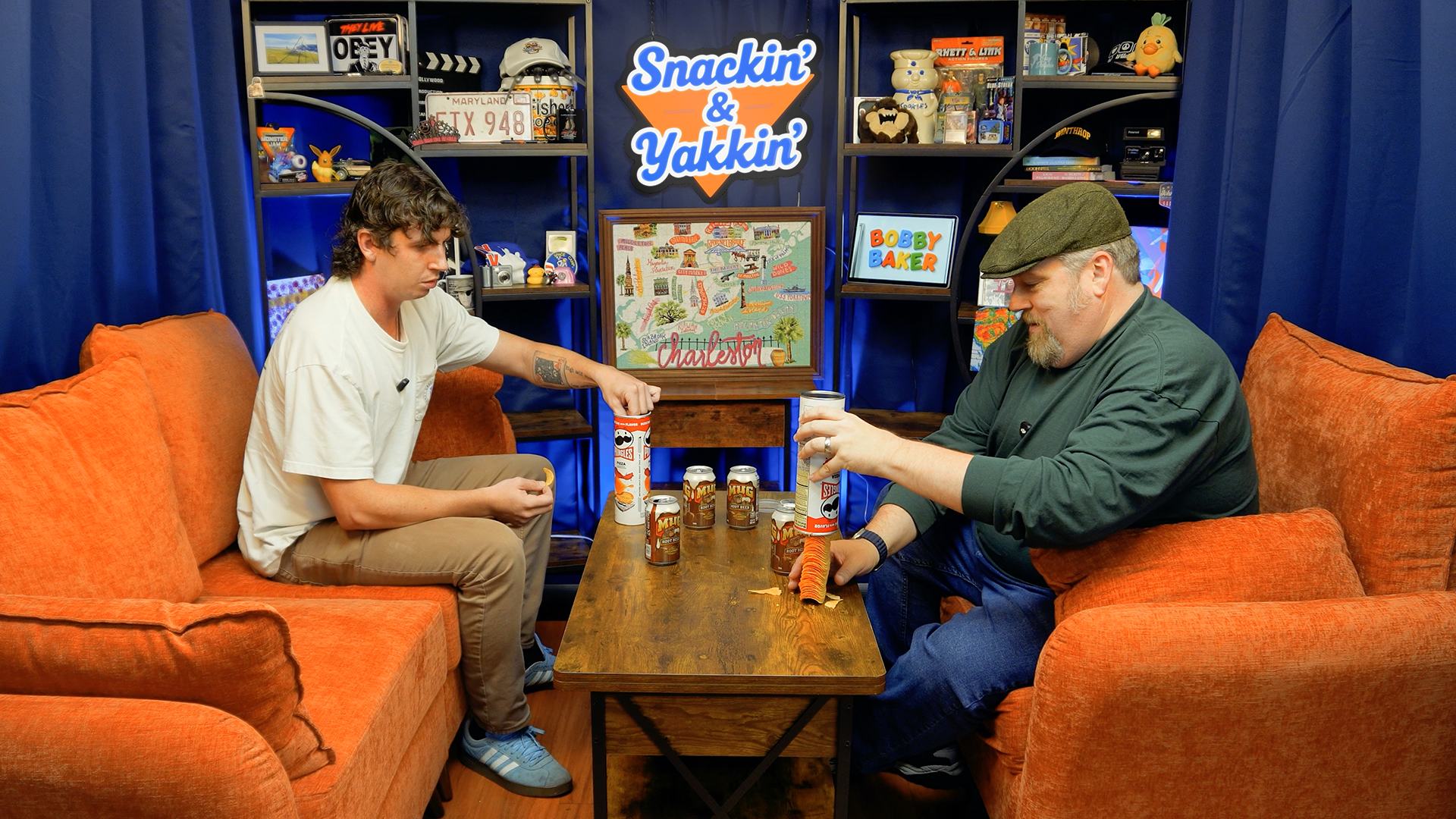
Andrew Braun opened a game store just before the world stopped gathering. On episode 72 of Snackin’ & Yakkin’, he joins Big Ben Kennedy and Magic: The Gathering judge Mark Williams to talk about how Zenergy Gamers kept going and became a third space for Charleston-area players.
If you love Magic, there’s plenty of cardboard here, including Teenage Mutant Ninja Turtles collector packs. But the story starts with an EMS paycheck, a new business, and some unusual deliveries.
Opening a Game Store Before COVID
Andrew owns Zenergy Gamers and Heroes and Champions. When he opened shortly before COVID, gathering around a table was central to the business. Suddenly, customers couldn’t gather.
He continued working in EMS while building the store. Although the paycheck wasn’t generous, it was steady, and his employer allowed him to deliver Magic cards, sleeves, and Pokemon supplies between calls during 2020.
An ambulance arriving with game supplies was an unusual sight, but it helped keep customers connected to their hobbies.
By the conversation, Andrew was approaching his seventh year in business. Zenergy had expanded, and its Summerville grand reopening had drawn a strong turnout. He credits local customers who supported the shops when he listened to what they wanted.
EMS Work, Burnout, and a Backup Plan
These three friends worked together in EMS, so their shop talk comes with ambulance stories.
Andrew recalls starting around $11 an hour and leaving after seven years without getting much beyond $15 or $16. A neck injury ultimately removed him from the profession, and the store became something he could fall back on.
The group discusses exhausting shifts, difficult lifts, and the frustration of experience counting for less than credentials in leadership decisions. Ben also recalls changing employers to get raises.
Their lifting reminder is blunt: use the tools and get help. Nobody on the truck gets an easy shift.
Smoked Wings Before Shiny Cards
The snack is smoked wings from Home Team BBQ with Alabama white sauce. Andrew first tried them while working across from the West Ashley location, and they helped spark his interest in smoking meat.
Meanwhile, the prebiotic soda earns approval for its ginger-like spice. The group notes six grams of fiber and jokes about stopping at one.
Food brings other detours: Andrew sharing a friend’s homemade fudge at the store, his experience with ulcerative colitis, and Ben’s relief after a clear colonoscopy.
Home Team isn’t sponsoring the episode. Ben paid for the wings, and everyone approves.
A Place to Play Without an Admission Fee
Andrew describes a local game store, or LGS, as a locally owned business that directly supports its community. At Zenergy, people can gather outside home and work without buying alcohol or spending the evening alone with a screen.
“You don’t have to pay to play.”
Mark points out that visitors may buy something while they’re there or return when they need packs. That relationship matters, but purchases aren’t a requirement for using the play space.
Ben understands the welcome personally. After attending 13 schools, he remembers comic shops that saved books for him and let him hang out while his mother did laundry.
Andrew also recognizes that entering a game store can cause anxiety, particularly for some neurodivergent players. Making people feel welcome is part of running the shop.
Competition That Families Can Share
Mark introduced his nephew to Magic. Now his nephew beats him, and he’s proud of it.
The group sees shared hobbies as a way for parents and children to connect. Andrew also names the skills involved in playing: reading cards, understanding rules, and getting along with opponents.
In his view, players learn to lose graciously and win without making everything about themselves. Sports offer competition too, but sports aren’t every child’s thing.
Dungeons & Dragons enters the conversation as another social outlet. Mark recently finished his second campaign with friends he met through Facebook several years earlier.
Warhammer Gives Modeling Another Life
At Heroes and Champions, painted miniatures catch Ben’s attention immediately.
Andrew connects Warhammer to earlier generations building model planes, ships, cars, and train layouts. Players trim pieces from sprues, assemble models, and paint them with their own colors and techniques. Then those creations enter dice-driven tabletop battles.
However, miniature games need substantial table space. Rent and overhead make that space expensive, and filling it isn’t guaranteed.
Andrew’s business point is clear: a store has to listen to customers. Otherwise, it can become the owner’s clubhouse instead of a business that supports its players.
Judges and Prereleases Keep the Tables Moving
As a Magic judge, Mark settles rules questions and keeps competition fair. That sometimes means telling a confident player that their interpretation doesn’t work.
The group discusses judge training and testing, plus the patience required at Pokemon events with young players.
Andrew says a Magic prerelease weekend can fill more than 300 seats across three days, with sessions lasting several hours. Those are seats across events, not necessarily distinct attendees.
Because players spend so much time there, Zenergy brings in food trucks and other local vendors. Cosplay adds another layer: the group recalls hobbits, elves, and players wearing turtle shells and bandanas.
Cracking Teenage Mutant Ninja Turtles Magic Packs
After washing their wing-covered hands, the friends turn to Magic’s Teenage Mutant Ninja Turtles set.
Andrew has played Magic since 1994 and loves the Turtles, so this crossover is personal. He appreciates references across the cartoons, movies, and The Last Ronin.
Familiar Faces and Different Foil Treatments
The packs move through commons and uncommons before reaching rarer cards and special art treatments. Andrew stresses that inexpensive cards still matter because Magic is a game people play.
The pulls include April, Leonardo, Raphael, Casey Jones, and Super Shredder. A Path to Exile card features Kevin Eastman’s artwork, while Mark’s pack produces a pixel-art, surge-foil Bebop.
The official TMNT card gallery shows the artwork behind those reactions.
Super Shredder Gets Ben’s Vote
The group checks Super Shredder’s price and finds an estimate around $18 during the recording. Ben chooses it to keep, and Andrew suggests it could anchor a future deck.
They’d agreed to donate proceeds if they pulled an exceptionally valuable card. No thousand-dollar pull appears in the opening.
Turtle Memories and Seeing Yourself in Fantasy
Super Shredder prompts a Kevin Nash connection and a friendly argument over the third Turtle movie. Nintendo memories follow, including the difficult underwater bombs and Donatello’s useful reach.
Ben also recalls playing the four-player Turtle arcade game at Crabtowne USA in Glen Burnie, Maryland.
Later, Mark discusses meeting Magic artists at Dragon Con. Conversations about representation, including Black characters and Teferi’s home of Zhalfir, helped him put words to the feeling of seeing himself in fantasy.
Andrew connects that welcome to his stores. He wants women, LGBTQ players, and people of color to feel comfortable joining the tables too.
Where Zenergy’s Players Gather
The locations discussed are:
- Zenergy Gamers at 1230 Red Bank Road in Goose Creek, with Heroes and Champions nearby.
- Zenergy Gamers and Heroes and Champions at 908 Bacons Bridge Road in Summerville.
- Holy City Gamers Guild in Hanahan, off Yeamans Hall Road.
The business shares updates through Zenergy Gamers on Instagram. Andrew credits his staff, judges, customers, and Charleston’s other local game stores for supporting organized play.
The Table Is What Makes It Work
Ben leaves with Super Shredder, but the conversation keeps returning to belonging. Andrew’s shops give people somewhere to share games and spend time together.
The packs prompt movie quotes, childhood memories, and stories between old coworkers. That’s the experience Andrew is proud to make room for.